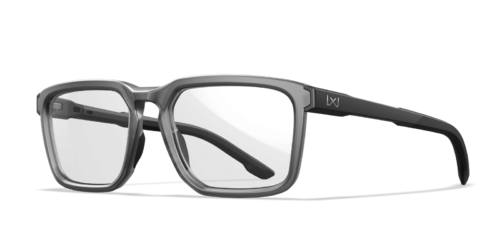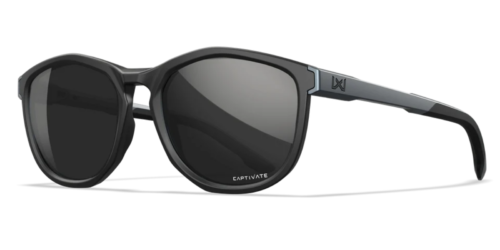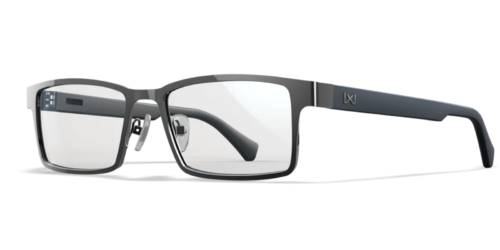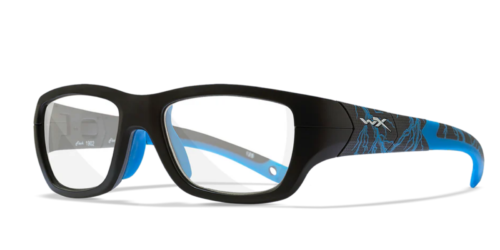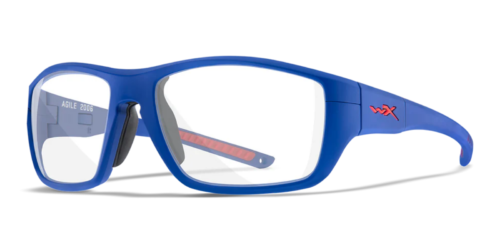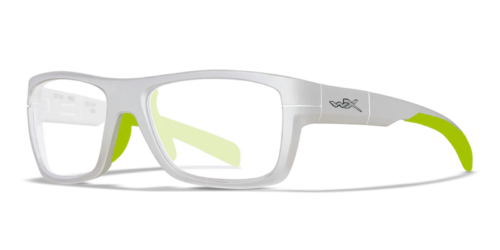
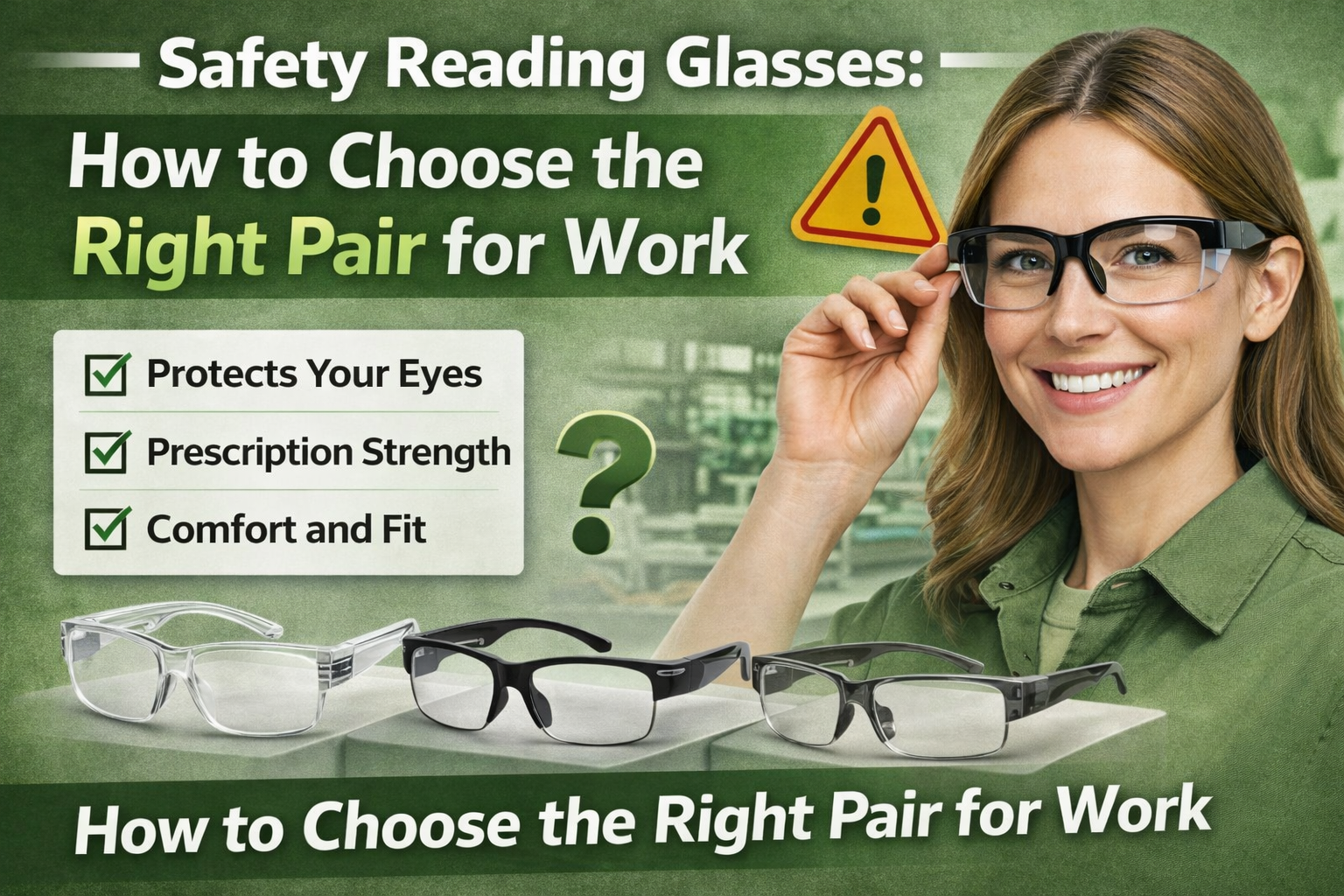
Reading small print should not be the sketchiest part of your day. If you work with labels, part numbers, inspection checklists, or screens, safety reading glasses (also called safety readers) give you magnification plus workplace protection.
This guide covers what to look for so your safety readers are comfortable, clear, and appropriate for the hazards in your environment.
1) Start with the safety rating
Regular reading glasses are not automatically protective. For workplace eyewear, look for a pair that meets the safety standard required in your environment.
In many workplaces, the standard you will see is ANSI Z87.1. A proper safety rating helps ensure the lenses and frame are built for impact resistance and jobsite use.
- Check the product listing for the stated standard (for example, ANSI Z87.1).
- Look for markings on the frame or lens that indicate the rating (varies by manufacturer).
2) Choose the right lens layout: full readers vs bifocal safety readers
Full-lens safety readers
- The entire lens has magnification.
- Best for constant close-up work (inspection, assembly, labels).
- Less convenient if you frequently switch between distance and near tasks.
Bifocal safety readers (reader segment)
- A magnified segment sits in the lower portion of the lens.
- Best if you alternate between walking/looking up and reading down.
- Often easier for mixed tasks in warehouses, mechanical work, and supervision.
Simple rule: if you read up close most of the day, full readers are fine. If your day is mixed, bifocal safety readers tend to feel more natural.
3) Pick a lens material that matches your job
- Polycarbonate: common for safety eyewear, lightweight, and highly impact resistant.
- Trivex: premium option that is also lightweight and tough, often with excellent optical clarity.
Most people do well with polycarbonate. If you wear safety readers all day and want maximum comfort and clarity, Trivex can be a strong upgrade.
4) Choose coatings based on real workplace pain points
- Anti-fog: essential in humid areas, temperature swings, or when wearing masks/respirators.
- Anti-scratch: helps lenses stay clear longer in gritty environments.
- UV protection: important for outdoor work or UV exposure.
- Anti-reflective (AR): reduces glare from overhead lighting and screens.
Coatings are not just extras. The right coating is often the difference between clear vision and constant lens frustration.
5) Fit matters because sliding eyewear is unsafe
Even the best lenses are useless if the glasses do not stay put. Look for frames that feel stable without squeezing.
- Secure temples that do not pinch behind the ears
- A bridge that does not slide or leave pressure marks
- Side coverage (wrap or side shields) appropriate for your job
Match features to your environment
- Dust and debris: wrap coverage, side shields, and anti-fog.
- Industrial impact risk: rated eyewear plus impact-resistant lenses and anti-scratch.
- Chemicals or fine particulates: consider sealed options or gasket-compatible frames if required.
- Outdoor work: UV protection and job-approved tint options.
SafetyEyeGuard: work-ready safety readers
SafetyEyeGuard helps workers choose safety reading glasses built for real conditions: the right rating, comfort for long shifts, and lens features that match the environment. Whether you need full-lens readers or bifocal safety readers, start with protection, then dial in comfort and clarity.
FAQs
- Are safety reading glasses the same as regular readers? No. Safety readers should meet safety standards and be built for impact resistance.
- Do I need anti-fog? If your lenses fog even occasionally at work, anti-fog is worth it for safety and comfort.
- Should I pick full or bifocal? Full for constant close work, bifocal for mixed distance/near tasks.